1245 Wilshire Blvd.
Suite 603
Los Angeles, CA  90017
(213) 977-1215
fax (213) 977-0404
Hours: M-F 9:00-5:00
_____________________

Home Page

About Us
   -Our Staff
   -Directions
   -Contact Us
   -Links

Our Services
   -ENT Articles
   -BOTOX® Cosmetic
   -Audiology and
    Hearing Aids
   -Assistive Listening
    Device Store

For Our Patients
   -Office Forms
   -VNG Instructions
   -Privacy Policy

Legal Disclaimer
Site Map

_____________________

Copyright© 2010
LA ENT, Associates.
All rights reserved.

Ear Wax - What should you do about it?

by George B. Stoneman, M.D.

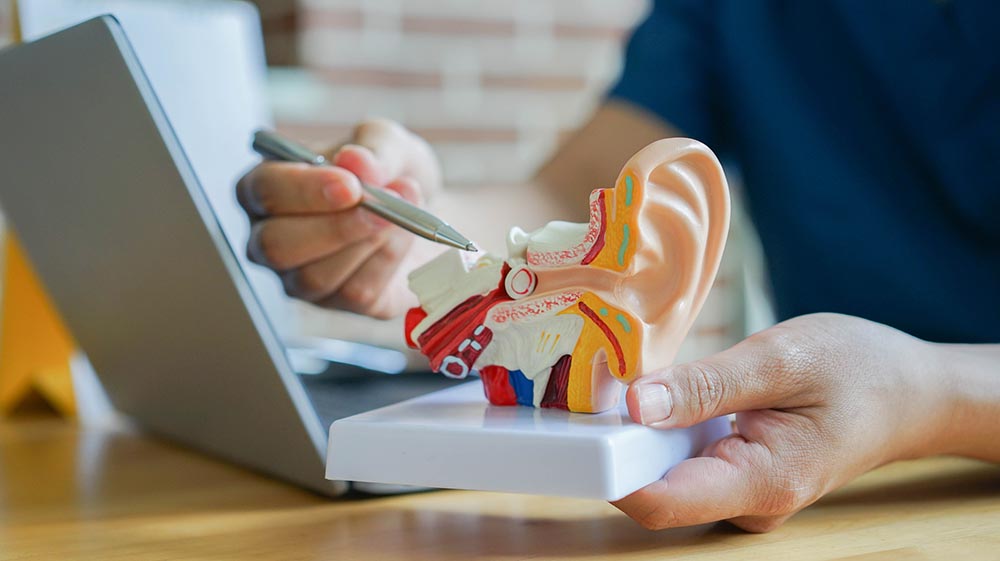
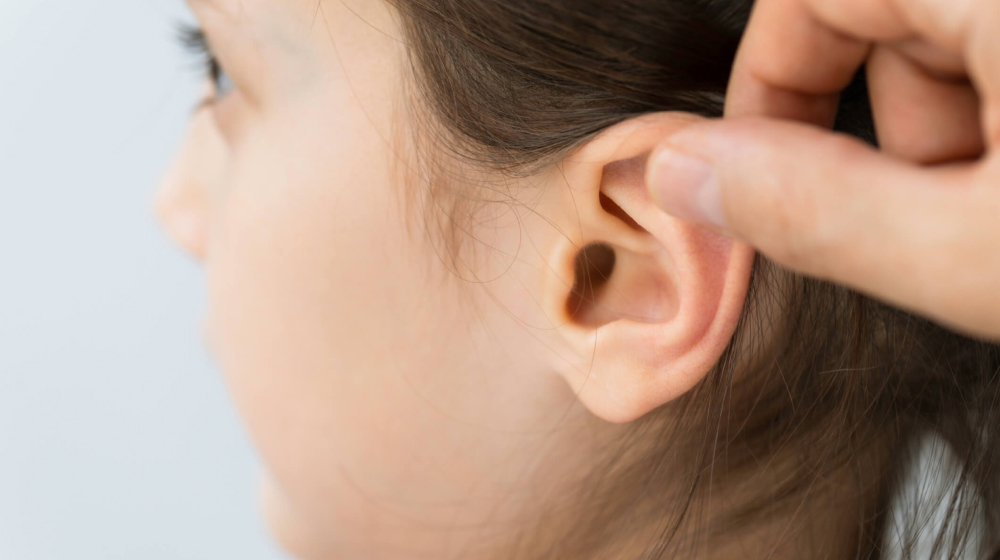
The external ear canal is shaped like an hourglass, with its narrowest portion about half way between the opening and the ear drum. There are special glands in the outer part of the ear canal, not in the deep part as is commonly believed. These glands (sebaceous and apocrine glands) produce cerumen, commonly known as ear wax.

The wax has a definite and valuable function. It coats the thin skin of the outer canal, acting as a water repellent and protecting it from infection. It also traps particles, dust and foreign objects, keeping them from reaching the eardrum.

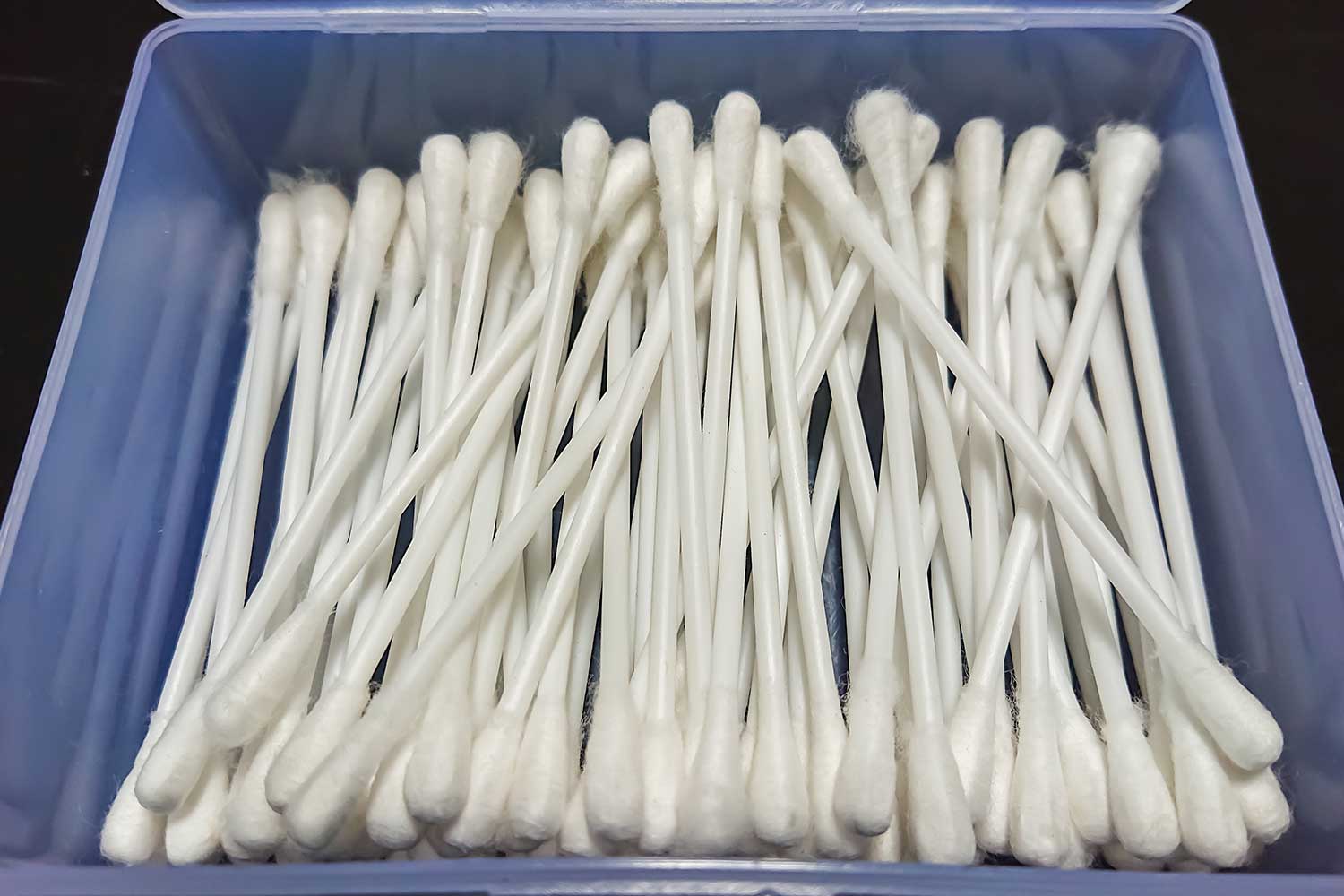
Wax is healthy and should be left alone. Without wax, ear canals become dry and scaly, leading to itching, infection and pain. Ear canals are usually self-cleaning. The ear canal skin migrates from the eardrum outward to the ear canal opening, carrying wax with it. Generally, wax accumulates, dries up, migrates to the opening and falls out without the persons knowledge. When wax is found blocked up against the eardrum, it is often because patients have been using cotton applicators (Q-tip boxes state not to put cotton applicators in the ear opening). Under ideal conditions patients should never have to clean their ear canals.

Wax can sometimes cause problems. A cerumen impaction, or excess wax is the most common cause of hearing loss seen by an otolaryngologist (ear, nose, and throat physician). When wax completely blocks the ear canal, patients experience a sudden change in their hearing, a sensation of fullness and, occasionally, a ringing noise (tinnitus) in the affected ear. At times the impacted wax will cause water to become trapped in the ear canal, leading to infection. If an individual develops a sudden hearing loss in one or both ears, a physician should be consulted. The physician will try to remove it by suctioning, using a round ear curette to lift it out, or by irrigating the ear canal with water (unless there is a perforation in the ear drum).

Occasionally, when wax is  firm and tightly impacted, removal can be quite difficult and uncomfortable (usually in patients who have used cotton swabs). Over-the-counter drops with hydrogen peroxide and glycerin, such as Debrox or Murine, can be used twice a day to soften the wax. If the problem persists after using the drops for several days, a visit to the physician is warranted to remove the wax mechanically.

Caution: Softening drops or water should not be used in the ear if the you have a perforated eardrum. This could cause pain and infection.

Top of Page
Los Angeles Ear, Nose and Throat logo