Bruxism In Los Angeles, CA

Bruxism, also known as teeth grinding, is a common but often misunderstood dental condition that affects a significant portion of the population. On this page, we'll delve into the various aspects of Bruxism, addressing its definition, underlying causes, and the potential role of medication, distinguishing it from teeth grinding, and, most importantly, exploring effective treatment options.

What is Bruxism?

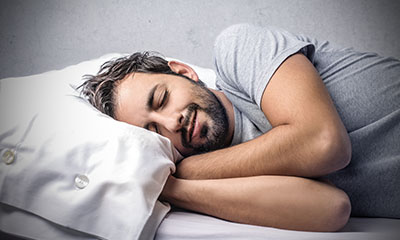
Bruxism is a dental condition characterized by involuntarily grinding or clenching the teeth, typically while sleeping. This habitual, rhythmic jaw movement can lead to a range of oral health issues if left unaddressed.

What causes Bruxism?

Understanding the causes of Bruxism is crucial for effective management. Stress and anxiety often play a significant role, but other factors, such as misaligned teeth, sleep disorders, and lifestyle habits, can contribute to this condition. Identifying and addressing the root cause is key to developing a tailored treatment plan.

Can medication cause Bruxism?

Certain medications have been linked to the development or exacerbation of Bruxism. Exploring the potential connections between your prescribed medications and Bruxism is essential for a comprehensive understanding of this condition.

Is Bruxism the same as teeth grinding?

While the terms are often used interchangeably, it's important to distinguish between Bruxism and teeth grinding. Bruxism encompasses both clenching and grinding, with the latter being a specific manifestation. Understanding these nuances helps in accurate diagnosis and appropriate treatment strategies.

What Does Bruxism Treatment Address?

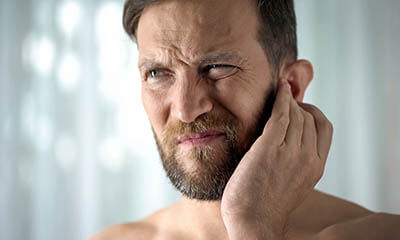
Bruxism treatment addresses repeated clenching and grinding that can strain the jaw muscles, wear down tooth enamel, and contribute to facial pain or headaches. Some people notice morning jaw tightness or tooth sensitivity, while others first learn they grind when a partner hears it at night, or a dentist finds unusual wear.

When symptoms happen during sleep, evaluation may also consider your broader sleep health. A sleep study can record muscle activity and help identify other sleep disorders occurring at the same time.

Can Bruxism be Treated?

The good news is that effective treatments exist for Bruxism. Lifestyle changes, stress management techniques, and dental interventions, such as custom mouthguards, can alleviate symptoms and prevent further damage. Early detection and intervention are key to successful treatment outcomes.

Benefits of Bruxism Treatment

Effective bruxism treatment can reduce the effects of grinding and help protect your teeth and jaw from continued strain. Depending on what is contributing to your symptoms, treatment may help:

  • Protect teeth and dental restorations from wear
  • Reduce jaw muscle tension and morning soreness
  • Ease headaches or facial discomfort related to clenching
  • Improve awareness of daytime grinding habits
  • Identify sleep-related concerns that may need evaluation

Ideal Candidates for Bruxism Treatment

You may benefit from bruxism treatment if you frequently clench or grind your teeth, wake with jaw tightness or headaches, have chipped or worn teeth, or experience facial pain. Treatment may also be appropriate when a dentist or sleep partner notices nighttime grinding that you do not feel yourself.

At LAENT in Los Angeles, your evaluation helps determine which approach fits your symptoms. Care may include behavior changes, stress management, an oral appliance, dental treatment for damaged teeth, or evaluation for a related sleep disorder.

Bruxism Treatment Results

Results depend on the cause of your bruxism and the treatment used. An oral appliance can help protect the teeth from grinding forces, while behavior and stress-management strategies may reduce clenching over time. Existing enamel loss, chips, or fractures may require separate dental treatment.

Follow-up can help assess symptom improvement, tooth wear, jaw comfort, and changes in sleep.

Bruxism Treatment Recovery

Most conservative bruxism treatments do not require downtime. You may need a short adjustment period when beginning to use an oral appliance, and behavior-based treatment works best with consistent practice. If your care includes dental restoration or treatment for another condition, recovery will depend on that procedure.

Frequently Asked Questions About Bruxism Treatment

Can bruxism go away on its own?

Mild bruxism may not require treatment when it is not causing pain or damage. Persistent grinding, jaw discomfort, headaches, or visible tooth wear should be evaluated to help limit further damage.

Can bruxism treatment help with headaches?

It may help when headaches are related to jaw-muscle tension or repeated clenching. Headaches have many possible causes, so persistent or severe symptoms should be evaluated rather than automatically attributed to bruxism.

Do I need a sleep study for bruxism?

Not everyone with bruxism needs a sleep study. It may be useful when grinding occurs during sleep or when snoring, disrupted sleep, or daytime fatigue suggests another sleep disorder may also be present.

Can bruxism contribute to TMJ symptoms?

Repeated clenching and grinding can place additional strain on the jaw muscles and temporomandibular joint. If you also have jaw clicking, limited movement, or persistent pain, a TMJ evaluation may help clarify what is contributing to your symptoms.

Schedule a Consultation with Our Clinic

If you suspect you or a loved one may be experiencing Bruxism, our experienced team at the Los Angeles Center for Ear, Nose, Throat and Allergy is here to help. Schedule a consultation today to discuss your concerns, receive a thorough examination, and explore personalized treatment options. Don't let Bruxism compromise your oral health – take the first step toward a healthier, happier smile.

Choose Your Preferred Los Angeles Location

Arcadia

488 E Santa Clara Street STE 202
Arcadia, CA 91006

Book Online Now

855-522-3682

Brentwood

11600 Wilshire Blvd
Ste 324
Los Angeles, CA 90025

Book Online Now

1-855-522-3682

Corona

1820 Fullerton Ave STE 115
Corona, CA 92881

Book Online Now

855-522-3682

Culver City

3280 Motor Ave Ste 220
Los Angeles, CA 90034

Book Online Now

855-522-3682

Downtown LA

1414 S Grand Ave
Suite 123
Los Angeles, CA 90015

Book Online Now

1-855-522-3682

East LA

1700 E. Cesar Chavez Ave
Suite 2500
Los Angeles, CA 90033

Book Online Now

1-855-522-3682

Eastvale

14252 Schleisman Rd
Suite 204
Eastvale, CA 92880

Book Online Now

1-855-522-3682

Glendale

1577 E. Chevy Chase Dr.
Suite 210
Glendale, CA 91206

Book Online Now

1-855-522-3682

Hawthorne

14650 Aviation Blvd, #100
Hawthorne, CA 90250

Book Online Now

1-855-522-3682

Hollywood

1300 N. Vermont Ave
Suite 605
Los Angeles, CA 90027

Book Online Now

1-855-522-3682

Huntington Park

3268 E. Gage Ave
Huntington Park, CA 90255

Book Online Now

1-855-522-3682

Long Beach

1045 Atlantic Ave STE 505
Long Beach, CA 90813

Book Online Now

855-522-3682

Lynwood

3737 Martin Luther King Blvd STE 403
Lynwood, CA 90262

Book Online Now

855-522-3682

Montebello

433 N. 4th Street
Suite 212
Montebello, CA 90640

Book Online Now

1-855-522-3682

Northridge

18546 Roscoe Blvd, STE 200
Northridge, CA 91324

Book Online Now

855-522-3682

Palmdale

41250 12th St West
Suite C
Palmdale, CA 93551

Book Online Now

1-855-522-3682

Palm Springs

1180 N Indian Canyon Dr
Suite E311
Palm Springs, CA 92262

Book Online Now

1-855-522-3682

Pasadena

800 Fairmount Ave, #411
Pasadena, CA 91105

Book Online Now

1-855-522-3682

Redlands

124 E Olive Ave
Redlands, CA 92373

Book Online Now

1-855-522-3682

Upland

400 N Mountain Ave STE 300
Upland, CA 91786

Book Online Now

1-855-522-3682

Los Angeles Center for Ear, Nose, Throat and Allergy

Arcadia Brentwood Corona Culver City Downtown LA East LA Eastvale Glendale Hawthorne Hollywood Huntington Park Long Beach Lynwood Montebello Northridge Palmdale Palm Springs Pasadena Redlands Upland